
TTUHSC Experts Receive Junior Investigator Research Grants through Texas Alzheimer’s Research and Care Consortium
More than 7 million Americans currently live with Alzheimer’s disease and approximately 13 million family members and friends provide unpaid care to loved ones with the disease, according to the Alzheimer’s Association.
Texas Tech University Health Sciences Center (TTUHSC) researchers Aric Logsdon, Ph.D., and Jonathan Singer, Ph.D., received Junior Investigator Research Grants from the Texas Alzheimer’s Research and Care Consortium (TARCC).
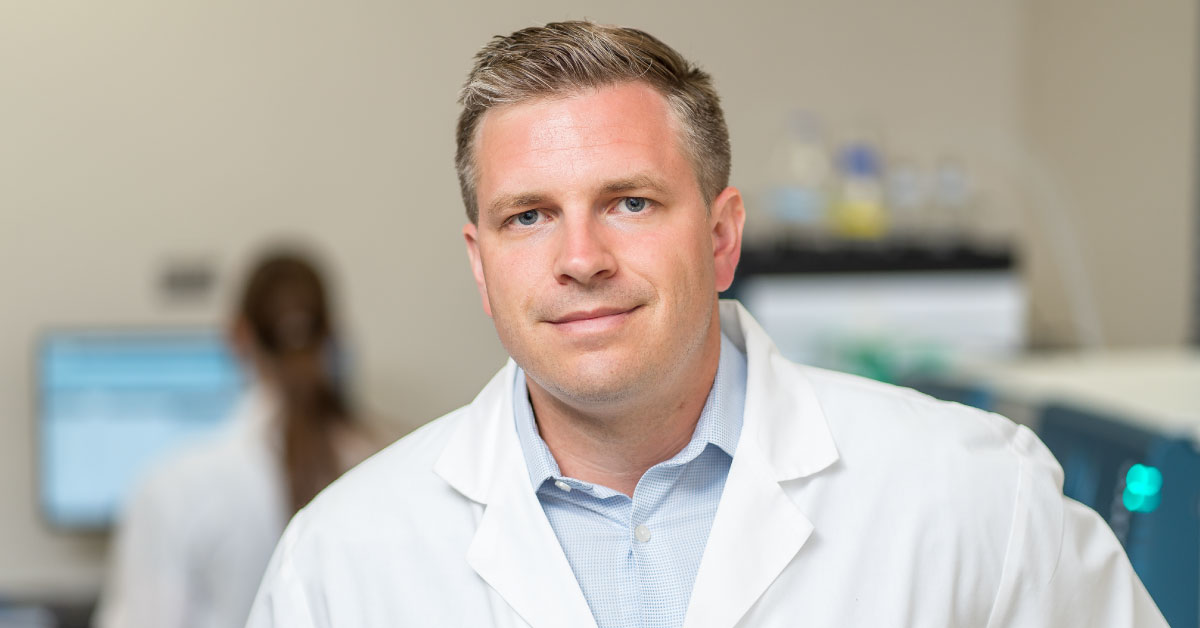
Aric Logsdon, Ph.D.
Logsdon, an assistant professor from the Department of Pharmacology and Neuroscience at TTUHSC School of Medicine, received a grant for the project, “Exploring Glycan Sulfation at the Blood-brain Barrier in Alzheimer’s Disease.” The award runs through Nov. 30, 2027, with total funding of $325,882.
Singer, an assistant professor for the TTUHSC Department of Pharmacology and Neuroscience and director of the Garrison Institute on Aging Memory Clinic, received a grant for his research, “Leveraging Technology to Meet the Needs of Rural Family Caregivers in Texas.” The grant provides $329,860 in funding through Nov. 30, 2027.
Created by the Texas Legislature in 1999, TARCC originally included TTUHSC, Baylor College of Medicine, UNT Health Fort Worth and The University of Texas Southwestern Medical Center. TARCC is a Texas-funded group of experts working together across the state to find a cure for Alzheimer's disease and improve everyday care for patients.
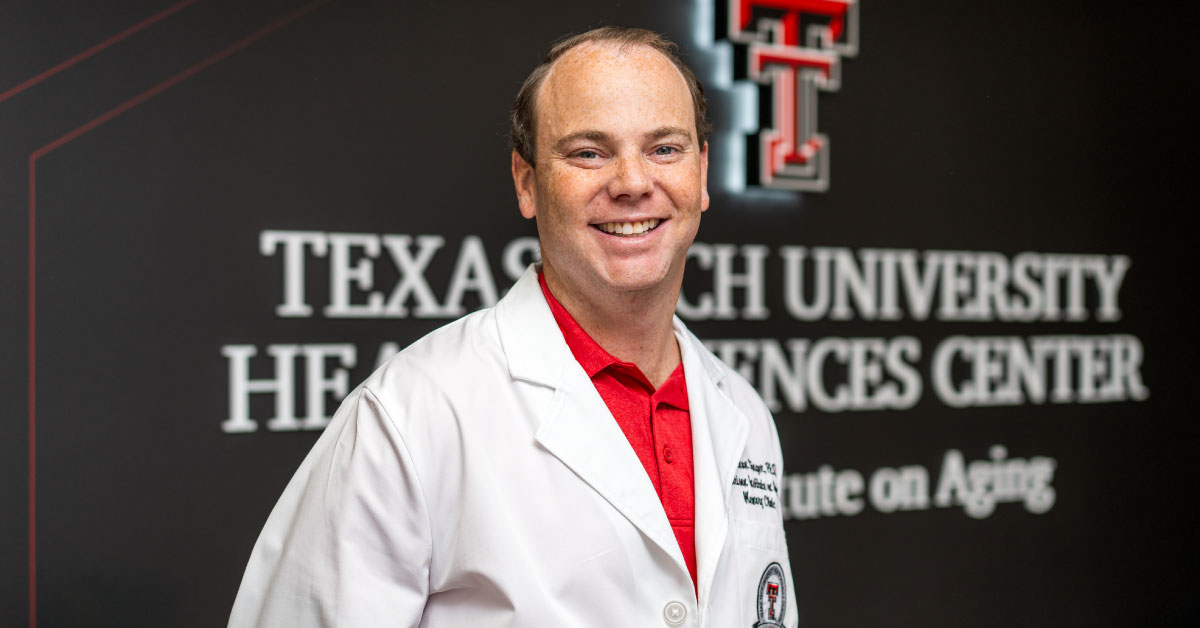
Jonathan Singer, Ph.D.
Lance R. McMahon, Ph.D., TTUHSC executive vice president for research and innovation, said that with Texas ranking third in the nation for Alzheimer’s cases, research such as this is critical to improving the lives of patients and families across the state.
“These awards support innovative early-career investigators who are advancing new approaches to better understand, treat and ultimately prevent Alzheimer’s disease and related dementias through collaboration and discovery.”
Logsdon’s lab studies the changes in the brain and blood vessels which may contribute to Alzheimer’s disease and other brain disorders. He examines how certain sugar-like molecules in the brain affect inflammation, brain health and communication between the brain and bloodstream. Using advanced laboratory techniques, he investigates how damage to the brain’s protective barrier and changes in these molecules may lead to memory loss and neurodegenerative disease. His work could help scientists develop new treatments and medications for Alzheimer’s and related neurological conditions.
Singer’s research specifically targets the unique healthcare challenges in West Texas.
He focuses on using technology such as telehealth and online tools to support families and caregivers in rural and Hispanic communities caring for loved ones with memory-related illnesses. Because many rural areas do not have easy access to specialists in aging and dementia care, these tools can bring education, emotional support and caregiving resources directly into people’s homes.
The goal is to help reduce stress and burnout among caregivers and caseworkers while also supporting their mental health and helping families cope with the emotional challenges that come with caring for someone with Alzheimer’s disease or dementia, Singer said.
Related Stories
TTUHSC Professor Reflects on Decades of Research Benefitting Thousands of Families
After nearly 50 years with the university, Samuel Prien, Ph.D., has been packing up his office in preparation for retirement in August. Although he’s moving on, his impact at TTUHSC will remain.
Student Research Shows Positive Outcomes from Summer Research Program
Medical student involvement in research is growing, encouraging medical schools to develop programs that support student research plus faculty time for research and mentorship. The Medical Student Summer Research Program (MSSRP) at TTUHSC provides these opportunities, and new research shows positive outcomes.
‘Tropical Neglected Disease’ Not Forgotten by TTUHSC Researcher
Afzal Siddiqui, Ph.D., director of the TTUHSC Center for Tropical Medicine and Infectious Diseases, developed SchistoShield®, a vaccine to treat schistosomiasis, as a humanitarian effort, rather than making it for profit.
Recent Stories
TTU System Board of Regents Approves Appointment of Grover E. Murray Professor
The Texas Tech University System Board of Regents today (Aug. 13) approved the appointment of Rodney Young, M.D., from the Texas Tech University Health Sciences Center (TTUHSC) School of Medicine, as a Grover E. Murray Professor.
From Backpacks to White Coats
TTUHSC School of Medicine Admissions Office team members delivered critical school supplies worth nearly $6,500 in total on Thursday, Aug. 6, to Bayless Elementary School.
TTUHSC School of Medicine Students Receive First White Coat
The TTUHSC School of Medicine Class of 2030 received their first white coat and pledged their commitment to the medical profession at the White Coat Ceremony today.