
Student Research Shows Positive Outcomes from Summer Research Program
New Emphasis on Cancer-Related Research Explored
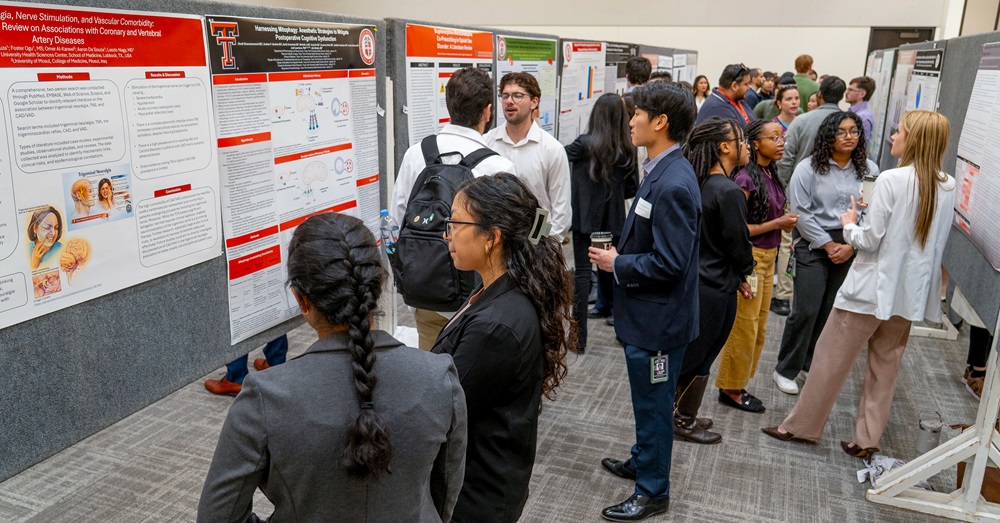
Physician-scientists hold a unique role in the medical field. They balance patient care with conducting research. Physician-scientists spend much of their time in laboratories performing experiments to drive innovation across a wide range of medical treatments. But their numbers are declining.
The National Institutes of Health (NIH) reported on what they labeled “distressing trends” in 2014. The NIH Physician-Scientist Workforce Working Group completed a study that found the number of physicians focused on research had fallen, while the average age of physician-scientists continued to rise. And the number of younger researchers entering the field would not keep up with the number of retirees.
The good news is that medical student involvement in research is growing. The heightened interest encourages medical schools to develop programs that support student research plus faculty time for research and mentorship. The Medical Student Summer Research Program (MSSRP) at Texas Tech University Health Sciences Center (TTUHSC) provides these opportunities, and new research shows positive outcomes.
Hosted by the TTUHSC School of Medicine, the 8-week program, from June through July, is for students who’ve completed their first year of medical school. They work under faculty supervision to conduct approved MSSRP projects. The medical students present their findings at TTUHSC Student Research Week the following spring.
A newly published program paper in the multidisciplinary journal Frontiers in Education examined the program’s quality, mentorship, scope of work and logistics. The MSSRP team evaluated student responses to an end-of-program survey. They analyzed data collected from 2020 to 2022.
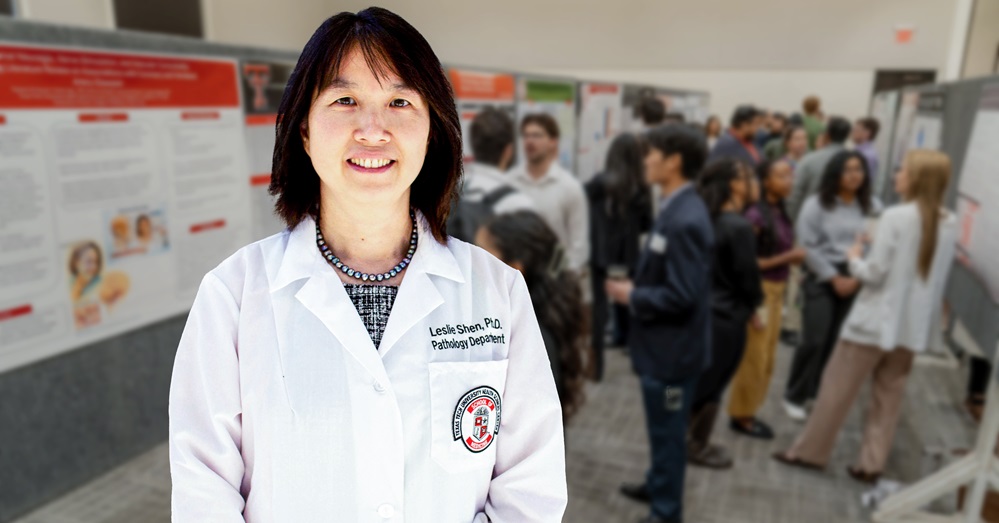
Funding for the study was supported by participating departments and the School of Medicine Dean’s Office as well as facilitated by the TTUHSC Rural Cancer Collaborative. Principal Investigator Leslie Shen, Ph.D., associate dean for research in the School of Medicine and director of the MSSRP, proposed engaging more students in cancer-related research.
Shen is the lead principal investigator for the MSSRP-cancer program titled “Engaging Medical Students in Cancer Research.” In the funded program, Shen stated that “cancer and its correlates form a prominent part of our clinical outreach here at TTUHSC, especially as it pertains to our rural health initiatives. More opportunities to investigate it are needed. However, among our MSSRP projects, cancer-related research is poorly represented.”
Shen added that during the 2024 and 2025 program sessions, only 19 projects out of more than 200 were connected to cancer research. With funding support from the TTUHSC Rural Cancer Collaborative, there are 26 cancer-related projects this fiscal year.
“Through the existing MSSRP platform and infrastructure described in this paper, we will continue working hard to make the MSSRP-cancer program as successful as possible,” Shen said.
Related Stories
TTUHSC Professor Reflects on Decades of Research Benefitting Thousands of Families
After nearly 50 years with the university, Samuel Prien, Ph.D., has been packing up his office in preparation for retirement in August. Although he’s moving on, his impact at TTUHSC will remain.
Student Research Shows Positive Outcomes from Summer Research Program
Medical student involvement in research is growing, encouraging medical schools to develop programs that support student research plus faculty time for research and mentorship. The Medical Student Summer Research Program (MSSRP) at TTUHSC provides these opportunities, and new research shows positive outcomes.
‘Tropical Neglected Disease’ Not Forgotten by TTUHSC Researcher
Afzal Siddiqui, Ph.D., director of the TTUHSC Center for Tropical Medicine and Infectious Diseases, developed SchistoShield®, a vaccine to treat schistosomiasis, as a humanitarian effort, rather than making it for profit.
Recent Stories
From Backpacks to White Coats
TTUHSC School of Medicine Admissions Office team members delivered critical school supplies worth nearly $6,500 in total on Thursday, Aug. 6, to Bayless Elementary School.
TTUHSC School of Medicine Students Receive First White Coat
The TTUHSC School of Medicine Class of 2030 received their first white coat and pledged their commitment to the medical profession at the White Coat Ceremony today.
TTUHSC Professor Reflects on Decades of Research Benefitting Thousands of Families
After nearly 50 years with the university, Samuel Prien, Ph.D., has been packing up his office in preparation for retirement in August. Although he’s moving on, his impact at TTUHSC will remain.