
Stay Safe: Preventing Summertime Dehydration
Texas Tech Physicians Expert Warns Not All Fluids are Alike
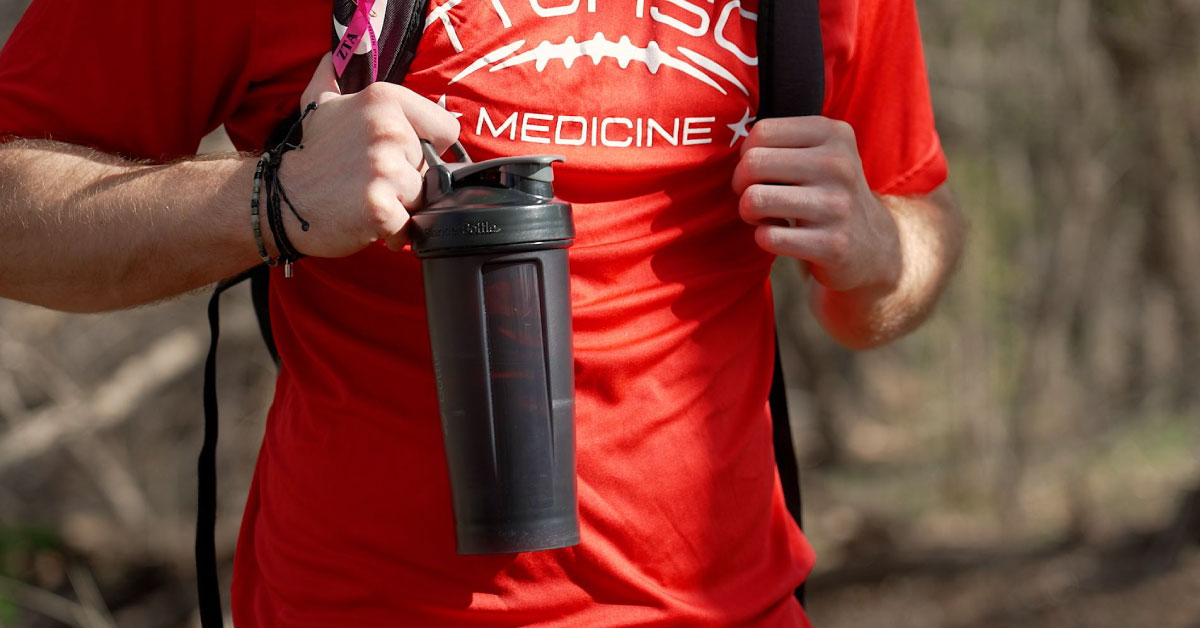
As the summer heat continues to intensify, so does the risk for dehydration. Prioritizing hydration this summer can protect you and your loved ones from potentially life-threatening complications.
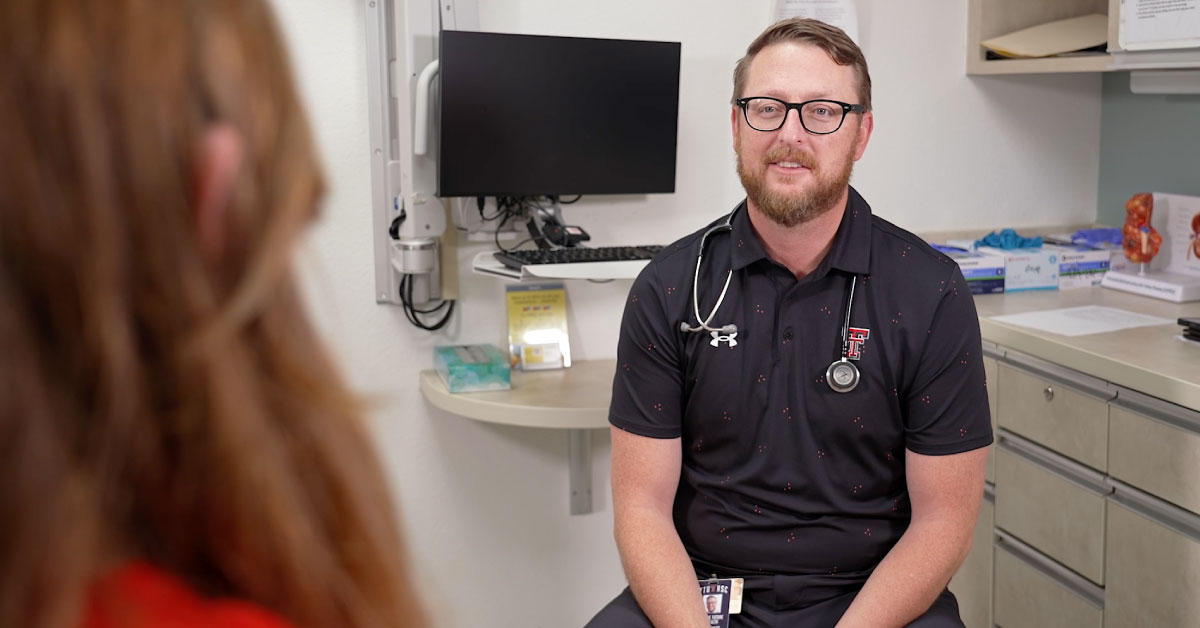
Drew Payne, D.O.
“Dehydration is any time that you’re losing more fluid than you’re taking in,” Drew Payne, D.O., an internal medicine physician with Texas Tech Physicians said. “It stresses the body, makes organs work harder and then at some point it can actually cause damage to organs.”
Payne explained that high temperatures force the body to sweat more to cool itself, but it also causes the body to lose essential fluids. Payne further noted that humidity can increase your risk of becoming dehydrated because it slows the evaporation of sweat.
Some people need to be more vigilant when they are outside on hotter days. Payne warned that dehydration can be much worse for those taking certain medications or battling a stomach bug because either can cause substantial water loss. Specific age groups are also at a higher risk.
“Really young kids that maybe don’t know when to take a break or know when to get a drink, and then people that can’t move around very well and are very elderly are all kind of at a higher risk for becoming dehydrated,” Payne said. “They tend to lose a little bit of the sense of how volume-depleted they’ve become.”
Drinking water is the best way to stay hydrated during your first few hours outside or when you are physically active. However, Payne said that if you are going to be doing anything for more than two hours, you should consider taking electrolytes.
Electrolytes are essential minerals, including sodium, potassium and magnesium that help nerves and muscles function properly. Because they are lost through sweat, sports drinks can help replenish them during prolonged or intense physical activity.
“When your body sweats, it loses salt [electrolytes] and water,” Payne said. “After a prolonged period of time of replacing just water, your balance of those two things can become somewhat off.”
Drinking too much water also can cause this imbalance. Payne warned that drinking excessive amounts of water without replacing sodium can dilute the sodium concentration in the blood. This creates a condition called hyponatremia that can cause headaches, nausea, confusion and in severe cases, seizures or loss of consciousness.
There are other things you can do to prevent dehydration this summer. Payne recommended minimizing your exposure during the hottest part of the day, which is typically early to mid-afternoon. He also advised limiting time in the sun by seeking shade and planning ahead.
“Before you’re going out on a hike, before you’re mowing the yard, make sure that you’ve got some access to water,” Payne said. “Make sure that you are well hydrated and plan for those accidents if they are going to happen.”
Payne also warned about alcohol intake on those hot days. Alcohol reduces your ability to sense different things like body temperature or sun exposure.
It is important to know when to seek medical help. There are several warning signs of serious heat illness to be cautious of before it is too late.
“If someone develops confusion, difficulty walking, fainting or loss of consciousness while in the heat, treat it as an emergency,” Payne said. “Call 911, move the person to a cooler area and begin cooling them while help is on the way.”
Payne emphasized that the more fluids you have, especially balanced ones, the better you will be able to handle those hot summer days.
“Fluids with electrolytes are great if you’ve been out in the sun for a long period of time,” Payne said. “But really the number one thing that you need to think about for those first couple hours that you’re outside and in the heat is water.”
Related Stories
Stay Safe: Preventing Summertime Dehydration
As the summer heat continues to intensify, so does the risk for dehydration. Prioritizing hydration this summer can protect you and your loved ones from potentially life-threatening complications.
Gov. Abbott Reappoints Varma to Texas Medical Board
Gov. Greg Abbott recently reappointed Surendra Varma, M.D., to the Texas Medical Board (TMB) District Three Review Committee.
Labor of Love: More Women Turn to Nurse-Midwives for Healthcare
In hospitals, birth centers and private homes across the country, nurse-midwives are expanding women’s healthcare options.
Recent Stories
From Backpacks to White Coats
TTUHSC School of Medicine Admissions Office team members delivered critical school supplies worth nearly $6,500 in total on Thursday, Aug. 6, to Bayless Elementary School.
TTUHSC School of Medicine Students Receive First White Coat
The TTUHSC School of Medicine Class of 2030 received their first white coat and pledged their commitment to the medical profession at the White Coat Ceremony today.
TTUHSC Professor Reflects on Decades of Research Benefitting Thousands of Families
After nearly 50 years with the university, Samuel Prien, Ph.D., has been packing up his office in preparation for retirement in August. Although he’s moving on, his impact at TTUHSC will remain.