
Labor of Love: More Women Turn to Nurse-Midwives for Healthcare
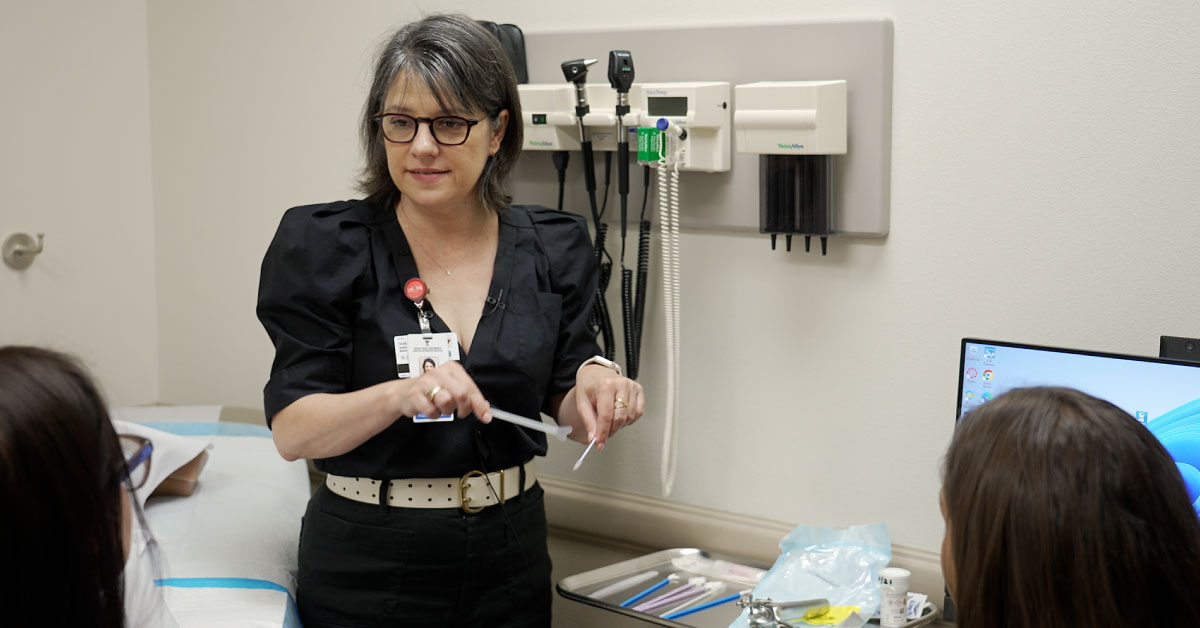
Erin Sing, DNP, CNM
In hospitals, birth centers and private homes across the country, nurse-midwives are expanding women’s healthcare options.
“Pregnancy is just part of it,” said Certified Nurse Midwife Silvia Garbalena-Esparza, who runs Beyond Birth Midwifery in Amarillo, Texas. “As a certified nurse-midwife, I can provide care to women from menstruation until the time that they pass away.”
For Garbalena-Esparza, midwifery is about educating, advocating for and developing trust with her clients. That carries through prenatal visits and beyond. “I always tell my clients that my goals are to fully educate them, be their biggest cheerleader and make sure they deliver in the safest place possible for mom and baby,” she said.
That relationship of trust, emphasis on physiological birth and focus on education is what attracted her and many other mothers to nurse-midwifery care. Garbalena-Esparza’s first two children were delivered by midwife-assisted hospital births while she was serving in the U.S. Navy.
At Texas Tech University Health Sciences Center (TTUHSC), Erin Sing, DNP, CNM, director of the Nurse-Midwifery Master’s Degree Program in the School of Nursing, said midwifery is relationship-based and evidence-based healthcare. “We trust women as being the experts in their own bodies, and we support them in making decisions. The midwife provides the science, the education and care.”
Texas has only two master’s degree programs in nurse-midwifery. TTUHSC’s program was recently ranked 12th in the country by U.S. News & World Report.
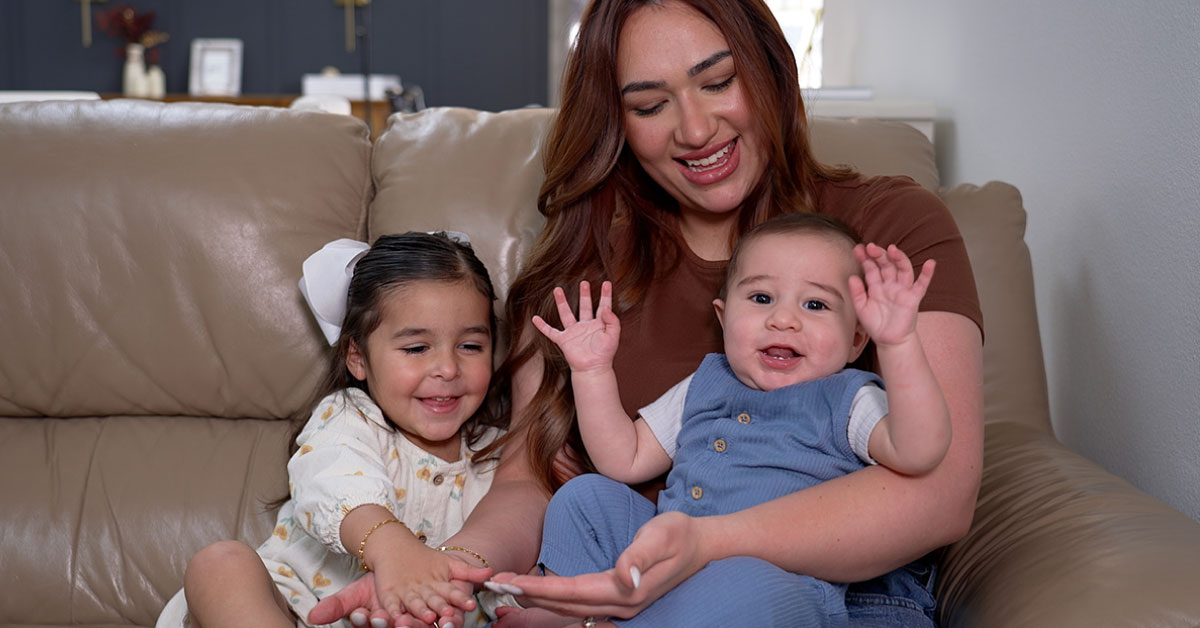
Danika Gonzales
According to the American College of Nurse-Midwives, 94% of midwife-attended births in the U.S. occur in hospitals.
Danika Gonzales learned she had options beyond a medically assisted hospital delivery after her first child’s birth. She sought out a nurse-midwife and a birth center for her next two deliveries. “Once I realized I had a voice in my care, that really made a difference to me,” she said. “It was comfortable and intimate. It felt like home.”
Leticia Trowbridge, a mother of three children, had a nurse-midwife-assisted water birth at home for her youngest son. She said, “With a midwife, we’d have hour-long appointments. I felt more educated and more at peace.”
Garbalena-Esparza said in her birthing center and clinic, appointments include lessons in empowerment – from discussing labor positions to explaining the safety and limits of non-hospital births. “A lot of people think that when you deliver with a midwife, nothing is being done. We handle all prenatal visits, blood work and ultrasounds, and we refer to maternal-fetal medicine or any other specialists if needed.”
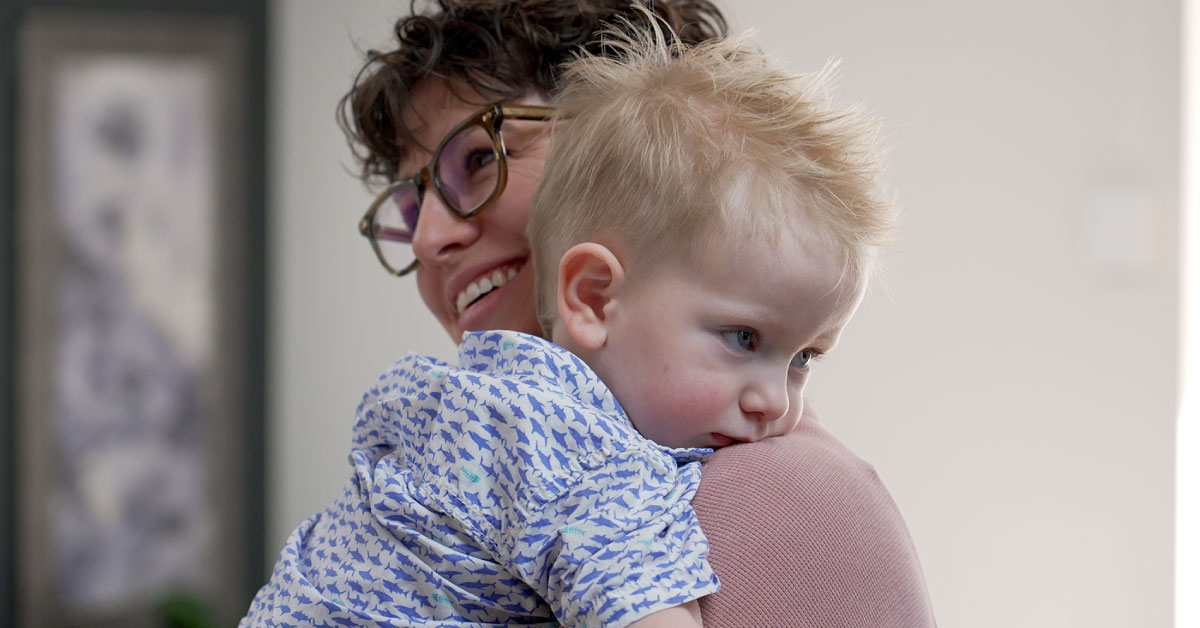
Leticia Trowbridge
She added that for her clients to be candidates for out-of-hospital births, they need to be within 20 minutes of a hospital. “A lot of births are straightforward, but when emergencies happen, preparedness and proximity matter. It’s about keeping pregnancy healthy through education and prevention,” she said.
Sing said her mission is to prepare more nurse-midwives to meet the growing demand for the healthcare they provide, especially in underserved parts of the state. The hybrid distance-learning model allows her nurse-midwife master’s degree program students to remain in their communities. They gain required hands-on clinical experience with certified nurse-midwife preceptors. Garbalena-Esparza, who graduated in one of the first cohorts from the TTUHSC nurse-midwifery program in 2015, currently serves as one of those preceptors.
Sing said, “When you have someone in a rural area who can train without having to move, it’s much easier to keep providers there long term. Everything we can do to get more midwives in our state improves the health of women and communities.”
In the past 10 years, Garbalena-Esparza has assisted with more than 400 births. She has seen the growth in her profession firsthand. “That’s exciting because I can only take so many moms. So having more midwives means more families have the option of this kind of care.”
Related Stories
Stay Safe: Preventing Summertime Dehydration
As the summer heat continues to intensify, so does the risk for dehydration. Prioritizing hydration this summer can protect you and your loved ones from potentially life-threatening complications.
Gov. Abbott Reappoints Varma to Texas Medical Board
Gov. Greg Abbott recently reappointed Surendra Varma, M.D., to the Texas Medical Board (TMB) District Three Review Committee.
Labor of Love: More Women Turn to Nurse-Midwives for Healthcare
In hospitals, birth centers and private homes across the country, nurse-midwives are expanding women’s healthcare options.
Recent Stories
TTU System Board of Regents Approves Appointment of Grover E. Murray Professor
The Texas Tech University System Board of Regents today (Aug. 13) approved the appointment of Rodney Young, M.D., from the Texas Tech University Health Sciences Center (TTUHSC) School of Medicine, as a Grover E. Murray Professor.
From Backpacks to White Coats
TTUHSC School of Medicine Admissions Office team members delivered critical school supplies worth nearly $6,500 in total on Thursday, Aug. 6, to Bayless Elementary School.
TTUHSC School of Medicine Students Receive First White Coat
The TTUHSC School of Medicine Class of 2030 received their first white coat and pledged their commitment to the medical profession at the White Coat Ceremony today.