
Don’t Comply with Mosquito Bites, Here’s How to Prevent Them
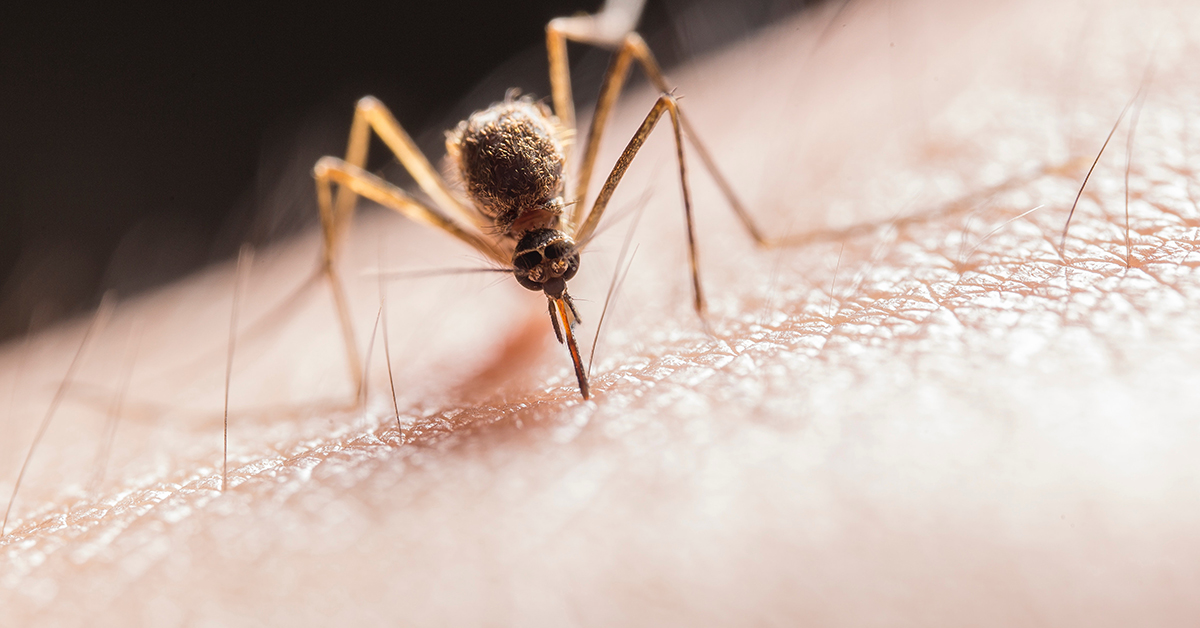
As more rains and thunderstorms hit West Texas, the more we are seeing mosquitos and mosquito bites. Ronald Warner, DVM, Ph.D., professor in the Department of Family and Community Medicine at the Texas Tech University Health Sciences Center, has ways to prevent these bites referring to them as the “Four Ds.”
• DRESS in long sleeves and pants especially during dusk and dawn when mosquitoes are most likely to be active.
• DEET is the most effective insect repellent. Find products that have this as an ingredient.
• DOORS with screens and windows should be fit properly.
• DRAIN standing water around the house. Empty buckets, flowerpot saucers, bird baths, rain gutters, pet dishes and children's swimming pools at least once a week. Remove old tires and empty containers from your neighborhood.
Other tips include avoid wearing aromas that attract mosquitos. According to the Center
for Disease Control (CDC), a person should take more showers if sweating to avoid
leaving bacteria and other body odors that would attract mosquitos. Certain foods
can even attract mosquitos. “The male mosquito feeds on plant juices, said Warner.
“Therefore, mosquitos are attracted to certain scents. There is little or no science
to back up whether or not mosquitos are more attracted to a person who eats certain
foods.”
Proper mosquito prevention isn’t just for avoiding pesky bumps, it could avoid the
possibility of contracting West Nile virus.
One out of 140 people infected with the West Nile virus can have severe effects of
the disease. Warner said 80 percent of people never know they have been infected and
20 percent may suffer only a mild case of the illness. The most common symptoms of
West Nile illness include fever, muscle aches and headache similar to the flu. Yet,
unlike flu symptoms, a person infected with West Nile does not suffer from a sore
throat, upper respiratory problems or a runny nose.
Because the lack of severity, people tend not to comply with mosquito bite prevention
unless another outbreak were to occur. The last outbreak occurred in 2012.
“Society becomes complacent to diseases and stop taking precautions,” Warner said. “If
you look at it from a historic perspective with polio, years ago there were 25,000
to 35,000 cases of severe paralytic polio reported each year. People were mortified
to think they might get polio. There is now a vaccine to prevent the disease, but
many have forgotten about the days when the disease would strike and injure and kill
so many victims. Those people become complacent and don’t want the vaccine because
they do not see the disease around anymore. The key is to remember that the vaccine
prevents polio. There is no vaccine to prevent West Nile disease in people. However,
the concept of prevention must be remembered for West Nile disease. Taking simple
precautions about your activities and home environment can limit your exposure and
reduce mosquito bites.”
Related Stories
38th Student Research Week Successful at Showcasing Secrets of Immune Defense
Student researchers at TTUHSC had the opportunity to showcase their presentation skills at the 38th Annual Student Research Week Feb. 25 – 27.
Celebrating Veterans: TTUHSC’s General Martin Clay’s Legacy of Service and Leadership
From his initial enlistment in the Army National Guard 36 years ago to his leadership in military and civilian health care management roles, Major General Martin Clay’s career has been shaped by adaptability, mission focus and service to others.
Texas Tech University Health Sciences Center School of Nursing Named Best Accelerated Bachelor of Science in Nursing Program in Texas
The TTUHSC School of Nursing Accelerated Bachelor of Science in Nursing (BSN) program has been ranked the No. 1 accelerated nursing program in Texas by RegisteredNursing.org.
Recent Stories
TTUHSC Recognized for Commitment to Improving Experiences and Advancing Outcomes for First-Generation College Students
FirstGen Forward announced TTUHSC is a new member of the FirstGen Forward Network Class of 2026. FirstGen Forward selected TTUHSC because the university demonstrated a commitment to improving experiences and advancing success for first-generation college students.
TTUHSC Researchers Collaborate in Study of Cancer Drug’s Possible Positive Effects on Alzheimer’s Disease
A drug typically used to treat some forms of cancer may also help delay the progression of Alzheimer’s disease. Boris Decourt, Ph.D., director of the TTUHSC Laboratory on Neurodegeneration and Translational Research, is part of the Phase II trial.
TTU System Board of Regents Approves Appointment of Grover E. Murray Professor
The Texas Tech University System Board of Regents today (Aug. 13) approved the appointment of Rodney Young, M.D., from the Texas Tech University Health Sciences Center (TTUHSC) School of Medicine, as a Grover E. Murray Professor.