
Research Team Studies Cardiovascular Disease Risk in Homeless Population
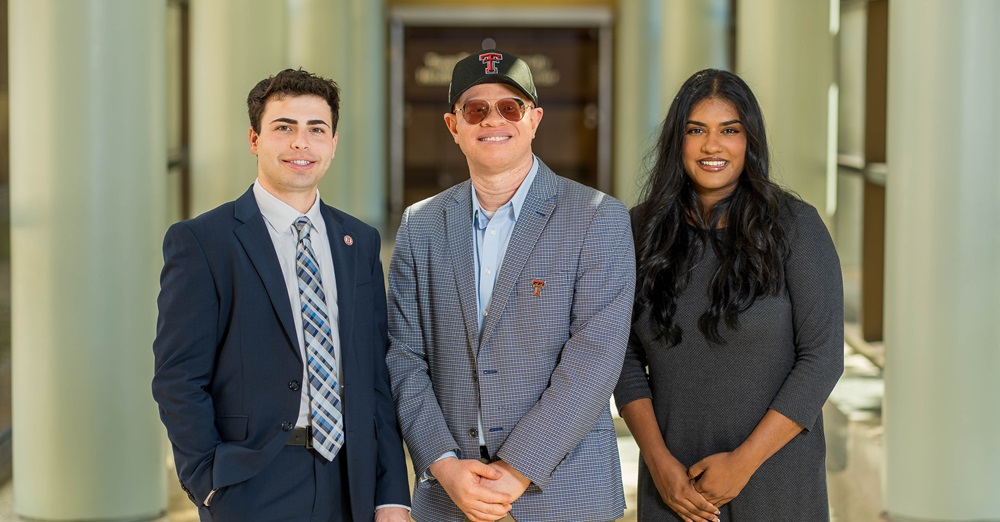
Although women are among the fastest-growing subgroups of the homeless population and have a higher prevalence of poverty than men, most studies of the cardiovascular disease (CVD) risk within the homeless population have focused primarily on men. With that in mind, a team of student researchers from the Texas Tech University Health Sciences Center (TTUHSC) and Texas Tech University (TTU) evaluated differences in CVD risk between men and women experiencing poverty and homelessness in West Texas, a medically underserved region within the TTUHSC service area.
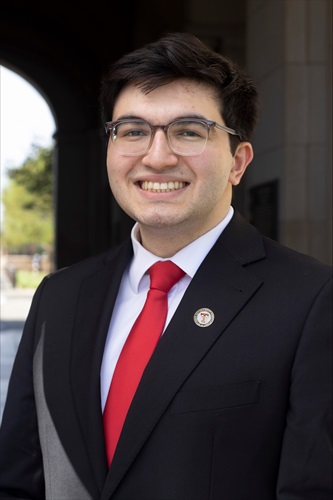
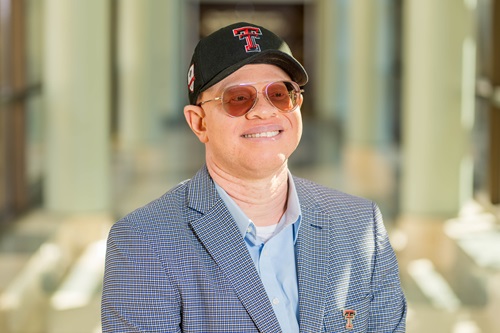
The team included Eli Heath from the TTU College of Engineering, who also was appointed by Gov. Greg Abbott to serve as Student Regent for the Board of Regents of the Texas Tech University System, Abdulkader Almosa from the TTU College of Arts and Sciences and Rebecca Joseph from the TTUHSC School of Medicine. Duke Appiah, Ph.D., from the TTUHSC Julia Jones Matthews School of Population and Public Health, was the study’s principal investigator (PI).
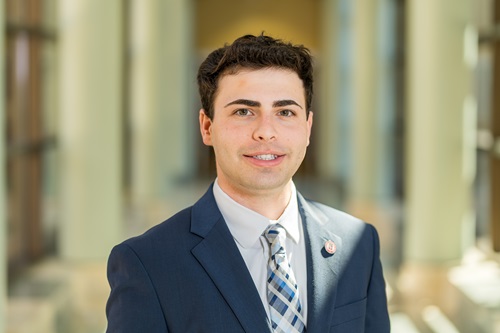
While working as an emergency department scribe at Lubbock’s Covenant Medical Center, Joseph noticed a recurring pattern among patients presenting with acute medical emergencies. Many were suffering from conditions such as heart attacks that resulted from preventable, chronic health issues such as diabetes, hypertension and high cholesterol. One specific case, in which a patient died from a heart attack, deeply affected Joseph and underscored how a lack of preventive care often leads to life-threatening crises. This realization motivated her to investigate the systemic gaps in health care access within underserved communities across Lubbock and its surrounding areas.
This insight inspired Joseph to expand her efforts by founding a non-profit organization dedicated to providing cost-free health screenings for underserved and homeless populations. She collaborated with Scott Shurmur, M.D., a TTUHSC cardiologist and chair of the Department of Internal Medicine, and they began by focusing on cardiovascular screenings in these vulnerable populations and reducing the burden of preventable disease in the community.

To conduct the study, data were collected from 152 adults aged 30-74 years who were seen at free health clinics. The mean age of participants was 55.3 years and 50% were women. Prevalence ratios (PR) and 95% confidence intervals (CI) were calculated, and the Framingham risk algorithm, a sex-specific algorithm that estimates an individual’s cardiovascular risk over the next 10 years, was used to estimate CVD risk.
Based on these results, the team found that CVD risk was elevated among underserved and homeless adults. Men were shown to have a higher risk than women, though underlying conditions such as diabetes, smoking, obesity and hypertension had a greater impact on women than men who were at high risk for CVD.
Though he has experience conducting bench research in the medical school labs, Heath said this study showed him that behind every data point, percentage and number are patients with their own stories.
“There are actual people living these realities, and sometimes it's very easy to get separated from that reality,” Heath explained. “This research was my first opportunity to be the one to work with the patients in a clinical setting, collect the data and then report on the research. We put it into numbers and quantified it, and I feel that is such an important experience to have. I am pursuing a career in medicine, and health disparities and barriers to accessing care aren't going away anytime soon. It will be a challenge I face as a physician.”
As the project’s PI, Appiah believes the research produced by the study is significant because the team was more concerned about prevention rather than focusing on and reacting to a patient’s specific health issue. They also looked at a person’s 10-year risk and the differences between the sexes, which, Appiah said, very few national studies of homeless individuals have assessed.
“For me, this study has a great platform to inform, not just locally, which was my hope, but it has great potential to influence policy at the national level,” Appiah maintained. “Seeing that the risk in women who have two or more chronic conditions is the same as men is a big deal from a cardiovascular disease epidemiology point of view, especially looking at that age group when they are all in their 50s. In that sense, I will say that even though we have only 152 individuals in the study, with half being women, its impact on both local and national policies can be tremendous, as the burden of CVD risk is so high in this population and was detectable even with such a relatively small sample.”
Almosa said the project deepened his insight into the human and structural factors influencing health outcomes. Working on the study gave him the opportunity to immerse himself in the community and witness firsthand the issues affecting homeless and underserved populations.
“I think sometimes when people go into medicine, they become too focused on learning about diseases and how to treat them,” Almosa said. “But being involved in this research allowed me to be out there in the community and really understand how the cost of goods and a person’s housing status also play a role in their health and social determinants of health, and how all of that affects their health outcomes.”
Looking ahead, Almosa said he hopes the team’s work will inspire advocacy groups and policymakers to take notice of the findings.
“I hope this research is picked up and ultimately helps shape local, state and national health policy,” Almosa said. “It makes me think about how unique the Texas Tech University System is, as it is one of the only university systems in the nation that integrates undergraduate, graduate, medical, dental, law and veterinary programs, all preparing a future workforce dedicated to serving West Texas and caring for the underserved. In the future, I hope we gain a clearer understanding of how interventions can truly mitigate these disparities, whether that’s through education, therapeutic approaches, workforce development or community infrastructure.”
Related Stories
TTUHSC Professor Reflects on Decades of Research Benefitting Thousands of Families
After nearly 50 years with the university, Samuel Prien, Ph.D., has been packing up his office in preparation for retirement in August. Although he’s moving on, his impact at TTUHSC will remain.
Student Research Shows Positive Outcomes from Summer Research Program
Medical student involvement in research is growing, encouraging medical schools to develop programs that support student research plus faculty time for research and mentorship. The Medical Student Summer Research Program (MSSRP) at TTUHSC provides these opportunities, and new research shows positive outcomes.
‘Tropical Neglected Disease’ Not Forgotten by TTUHSC Researcher
Afzal Siddiqui, Ph.D., director of the TTUHSC Center for Tropical Medicine and Infectious Diseases, developed SchistoShield®, a vaccine to treat schistosomiasis, as a humanitarian effort, rather than making it for profit.
Recent Stories
From Backpacks to White Coats
TTUHSC School of Medicine Admissions Office team members delivered critical school supplies worth nearly $6,500 in total on Thursday, Aug. 6, to Bayless Elementary School.
TTUHSC School of Medicine Students Receive First White Coat
The TTUHSC School of Medicine Class of 2030 received their first white coat and pledged their commitment to the medical profession at the White Coat Ceremony today.
TTUHSC Professor Reflects on Decades of Research Benefitting Thousands of Families
After nearly 50 years with the university, Samuel Prien, Ph.D., has been packing up his office in preparation for retirement in August. Although he’s moving on, his impact at TTUHSC will remain.